
Ultimate Travel Guide: Tulum Archaeological Site (2026)
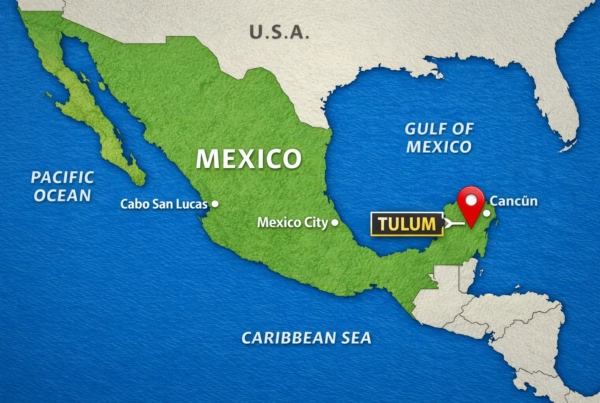
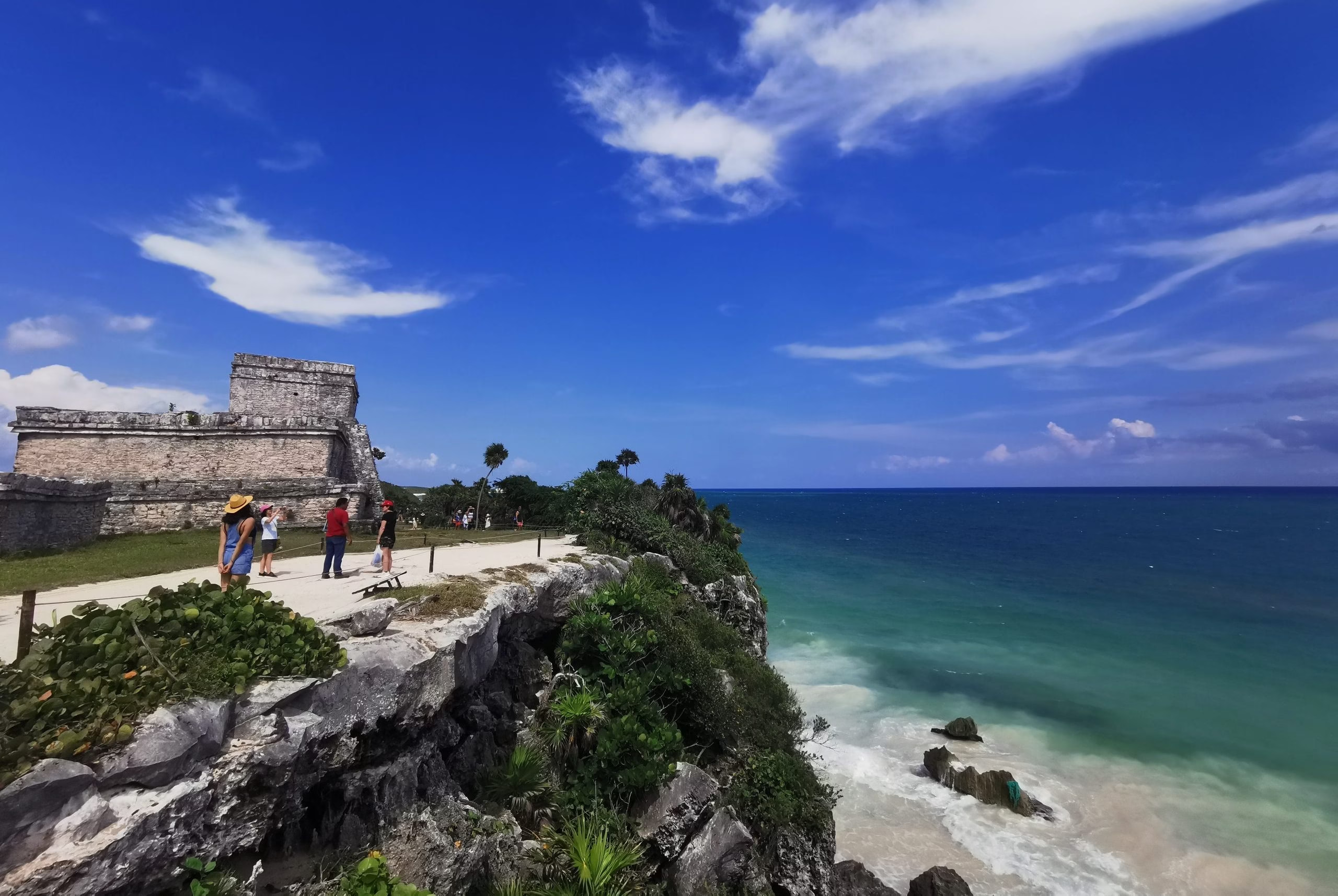
The Tulum Archaeological Site is one of the most scenic and iconic pre-Columbian Maya ruins in Mexico. Set dramatically on limestone cliffs above the Caribbean Sea on the Riviera Maya in Quintana Roo, it offers a compelling combination of ancient history, archaeological significance, and breathtaking ocean views. It was one of the last major Maya cities constructed and occupied before European contact and served as a crucial coastal defense and trading port. (Wikipedia)
Historical Background
Originally known as Zamá, meaning “City of Dawn” in the Mayan language, Tulum was a fortified coastal city active between approximately 1200 and 1500 AD. Its strategic location provided access to both land and maritime trade networks, handling goods like obsidian, jade, salt, and honey. The impressive stone wall—up to 8 meters thick and enclosing the city—protected inhabitants from inland threats and demarcated elite zones. (Tulum Ruins)
When Spanish explorers first encountered Tulum in the early 16th century, it was already in decline, due partly to disease and social disruption following European contact. Later, the site was abandoned and eventually rediscovered by modern archaeologists in the 19th century. (Wikipedia)
Top Highlights Within the Site
El Castillo (The Castle)
- The most iconic temple, perched near a cliff edge overlooking the Caribbean.
- Served as a ceremonial center and possibly a navigational beacon for Maya sea travelers. (Tulum Tours)
Temple of the Frescoes
- Known for its intricate murals and symbolic carvings.
- Provides insight into Maya religious life and cosmology. (The Custom Tour Riviera Maya)
The Wall
- Surrounds the ancient city on three sides, offering insight into defensive architecture.
- Its preservation provides context for the city’s sociopolitical structure. (Tulum Tours)
Ruins Beach
- Beyond the archaeological area, a pristine stretch of white sand and turquoise water awaits visitors willing to walk or bike a short distance south.
- Note that swimming access and conditions can vary depending on conservation rules and seasonal factors. (The Custom Tour Riviera Maya)
Visitor Information (2026 Updates)
Opening Hours
- Daily: 8:00 AM – 5:00 PM
- Last entry typically around 3:30–4:00 PM. (Audiala: Your Pocket Tour Guide)
Tickets & Fees
- Entry into the archaeological zone is managed by INAH (Instituto Nacional de Antropología e Historia) with a base archaeological site fee.
- There may be mandatory conservation or national park fees (e.g., Jaguar Park) that visitors must pay alongside the basic entrance. Prices can change, so check updated rates before travel. (Audiala: Your Pocket Tour Guide)
Best Time to Visit
- Early morning at opening is highly recommended to avoid crowds and midday heat. (Digital Nomad Couple)
- Dry season (December – April) offers pleasant weather but also higher visitor numbers. (Travel to Mexico Now)
How Long to Spend
- A typical visit, including time for photos and light exploration, takes 1.5–3 hours. Guided tours often last around 2 hours. (Voyage Mexique)
Getting There
- About 2.5 km north of Tulum town, accessible via taxi, bicycle, colectivo (shared van), or private vehicle. (GuideAlong)
Practical Tips
Avoid Crowds and Heat
- Arrive at or just before opening (8:00 AM). Most tour buses and large groups show up between 10:00 AM and 2:00 PM. (GuideAlong)
Bring Essentials
- Water, sun protection (hat/sunscreen), and comfortable walking shoes are essential due to limited shade and warm temperatures. (Digital Nomad Couple)
Cash & Tickets
- Bring Mexican pesos as smaller ticket booths and vendors often do not accept cards. (Digital Nomad Couple)
Respect the Site
- Stay on designated paths, avoid climbing structures, and follow posted guidelines. Many Maya sites prohibit drones and large backpacks. (The Custom Tour Riviera Maya)
Guided Tours
- Independent exploration is viable, but hiring a certified guide enriches historical context and interpretation. (Voyage Mexique)
Sunday Visits
- Sundays can be extremely crowded due to free admission for Mexican citizens/residents at INAH sites. (Digital Nomad Couple)
Nearby Experiences
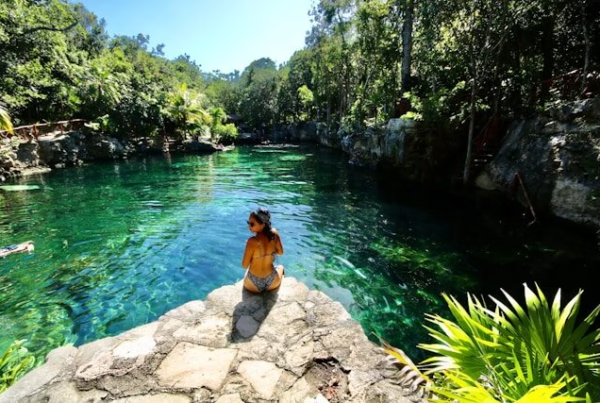
- Pair your archaeological visit with cenotes, local cuisine in Tulum town, or a beach day to experience the full Riviera Maya charm.
- Markets and artisanal stalls near the entrance offer souvenirs and cultural goods.
Conclusion
The Tulum Archaeological Site remains a must-visit destination in the Riviera Maya, blending ancient Maya heritage with postcard-worthy coastal scenery. Proper planning—arriving early, preparing for tropical weather, and understanding current ticket requirements—ensures a rewarding and memorable cultural experience. With continuing updates to site management and conservation (including adjacent park integrations), travelers should verify current regulations before departure.
If you want, I can also create brief printable travel checklists or itineraries tailored for specific traveler types (e.g., families, solo backpackers, photographers).
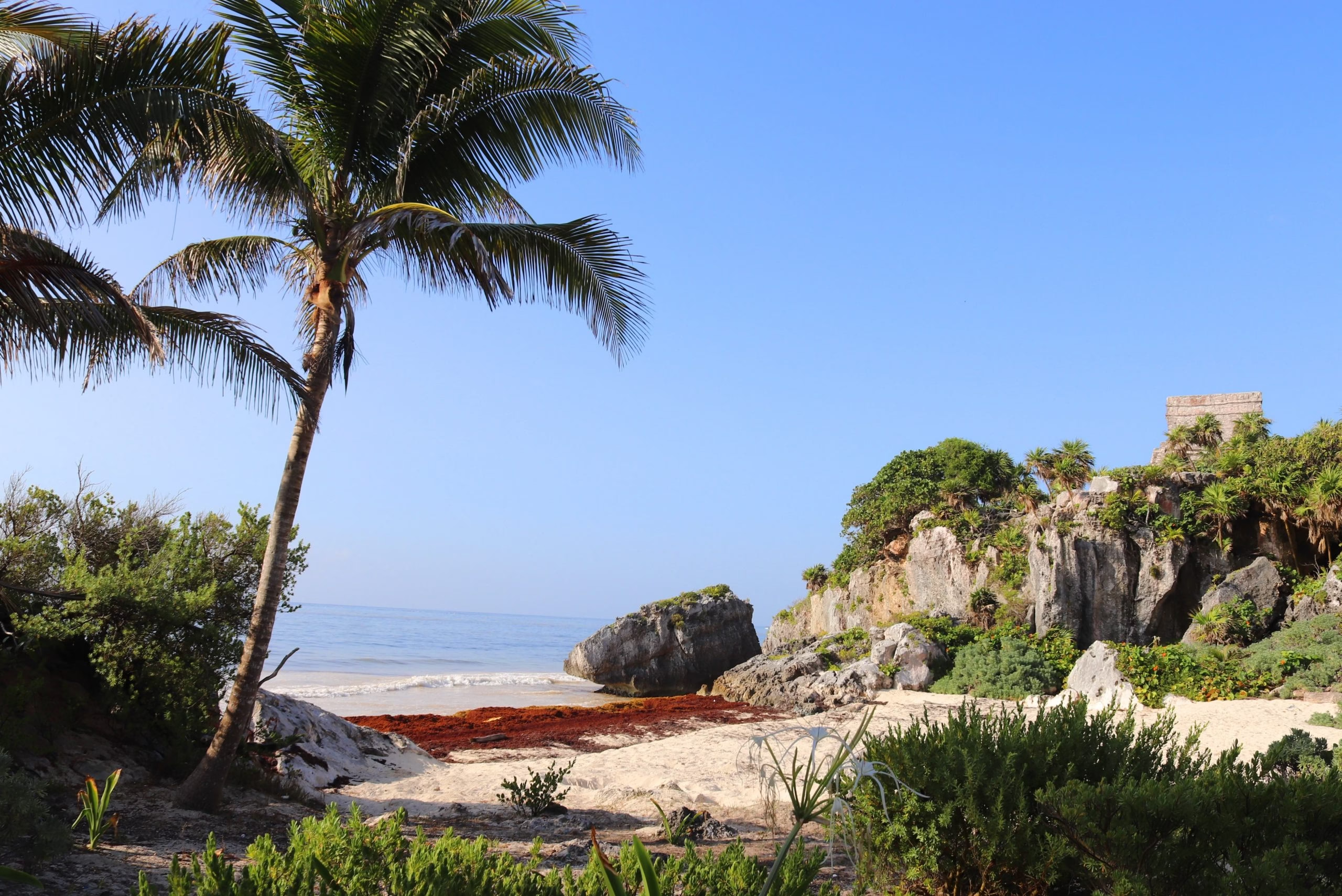
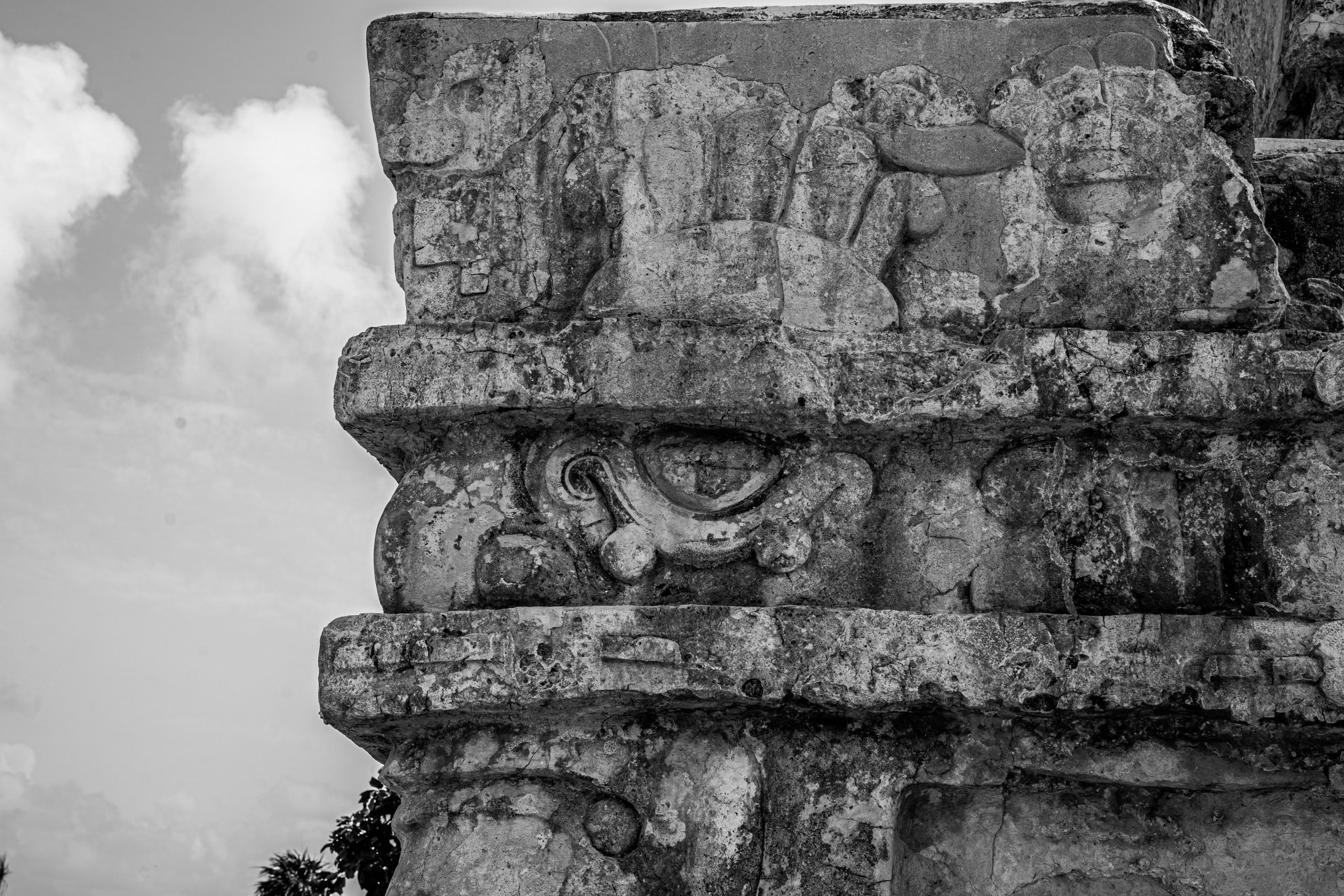
Video of the Tulum Mayan Ruins from the ocean
Experience the magic of Tulum like never before – sailing across the turquoise waters of the Caribbean Sea with breathtaking views of the ancient Mayan Ruins! 🌊⛵✨ From the sparkling ocean waves to the historic cliffs of Tulum, this sailing adventure is the perfect mix of history, beauty, and tropical vibes.